
If the past few years have taught businesses anything, it’s this: your supply chain can make or break your company. From pandemic-driven disruptions to geopolitical conflicts, supply chain uncertainty has become the new normal. Companies that proactively manage risks, embrace digital tools, and diversify sourcing are not only surviving but thriving. The good news? Modern SaaS platforms are transforming how businesses monitor, optimize, and adapt to real-time challenges.
This article explores practical, data-driven strategies every business, from startups to global enterprises, can apply to build a more resilient, efficient, and profitable supply chain.
Start & Grow Your Supply Chain on One Platform
Understanding Modern Supply Chain Disruptions
From Global Pandemics to Geopolitical Conflicts
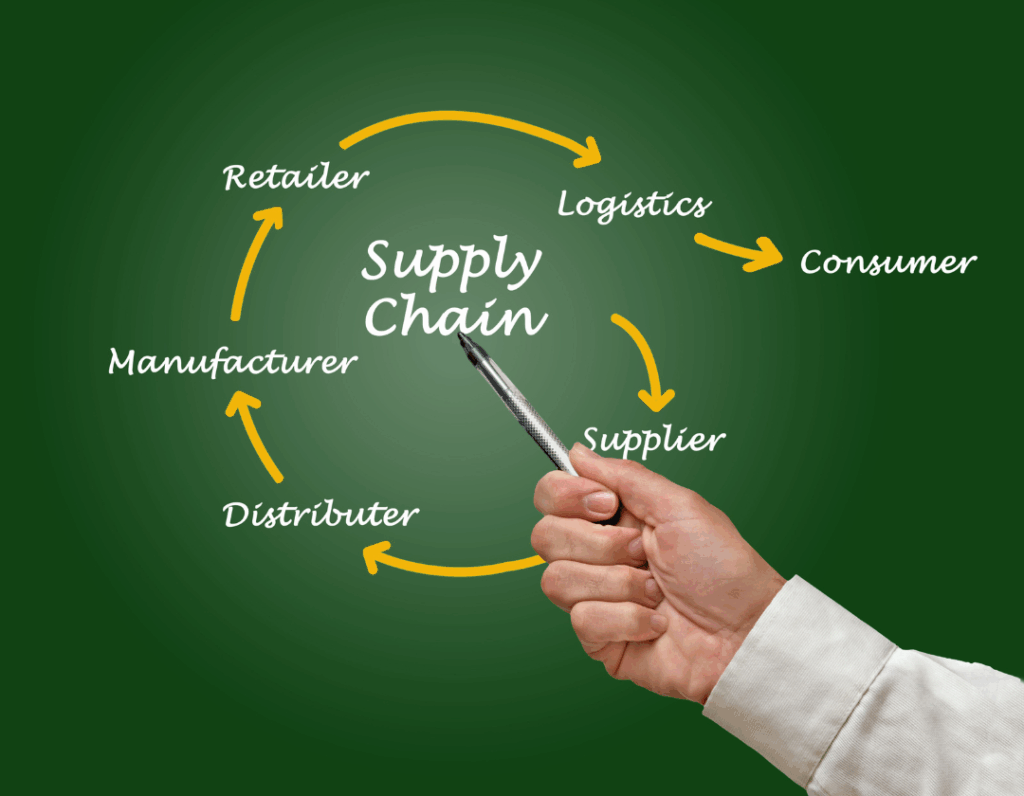
The modern supply chain operates in a complex, interconnected global ecosystem. A factory closure in Asia can disrupt production lines in Europe or delay shipments in North America within days. Add global events, like the Red Sea crisis, chip shortages, and political trade barriers, and you have a perfect storm of uncertainty.
Businesses are learning that reactive management no longer works. Instead, proactive risk detection and scenario planning are essential. By leveraging SaaS-based analytics, companies can simulate “what-if” situations to test supply chain resilience before disruptions occur.
According to Forbes, companies using AI-driven supply chain forecasting reduced disruptions by up to 35% compared to those relying on manual systems. This predictive approach helps organizations stay agile even amid unpredictable global events.
The Impact of Inflation, Labor Shortages, and Energy Costs
While global trade challenges make headlines, the quieter disruptors, rising costs and labor shortages, can be just as damaging. Inflation affects raw material pricing, freight charges, and warehouse rent, while labor shortages slow manufacturing and distribution.
Businesses must therefore rethink their cost structures and automation strategies. Investing in SaaS platforms that automate forecasting, order tracking, and logistics coordination can cut manual work by up to 40%, according to McKinsey & Company. The most successful organizations aren’t those that eliminate risks, but those that adapt faster than competitors.
The Shift to Digital Supply Chains
How SaaS Platforms Are Revolutionizing Supply Chain Management
Traditional supply chains relied heavily on manual tracking, spreadsheets, and fragmented systems. But today, cloud-based SaaS tools are enabling end-to-end visibility across suppliers, transporters, and customers in real time.
Platforms like Oracle SCM Cloud, SAP Business Network, and Zoho Inventory allow businesses to manage procurement, logistics, and compliance seamlessly. These tools provide a single source of truth, empowering teams to make faster, data-backed decisions.
SaaS-based systems also offer scalability. Startups can begin with basic modules and expand functionality as operations grow, making them an ideal investment for both small and large enterprises.
Benefits of Cloud-Based Visibility and Real-Time Data
Data visibility is the new competitive edge. By integrating cloud technology, businesses gain:
- Real-time tracking of shipments and supplier performance.
- Automated alerts for delays, shortages, or quality issues.
- Predictive analytics that flag potential risks early.
- Seamless collaboration between global teams.
According to Gartner, 80% of companies adopting cloud-based supply chain management tools report higher agility and better decision-making speed. In a world where every hour counts, real-time visibility isn’t just an advantage, it’s a necessity.
Building Supply Chain Resilience
Diversifying Suppliers and Distribution Channels
One of the golden rules of modern supply chain strategy; never depend on a single source. Businesses that relied heavily on one region or supplier were hit hardest during global crises. Diversifying suppliers across regions reduces dependency and minimizes exposure to geopolitical and logistical risks.
Here’s how to implement it:
- Identify critical supply points and alternative sources.
- Partner with regional suppliers to balance global risk.
- Build redundancy into logistics and shipping routes.
- Use SaaS tools to monitor supplier performance continuously.
According to Harvard Business Review, businesses that diversified suppliers before 2022’s disruptions recovered operations 2x faster than those with single-source dependencies.
Risk Mapping and Predictive Analytics
Risk mapping transforms uncertainty into actionable insight. SaaS-powered dashboards can now assess the likelihood and impact of disruptions in real time. Predictive analytics, powered by AI and machine learning, anticipate bottlenecks, from port congestion to raw material shortages, before they occur.
To build predictive resilience:
- Use AI-driven scenario modeling to anticipate risks.
- Combine historical data with live market intelligence.
- Implement early-warning alerts for supplier performance.
When businesses harness predictive insights, they move from reaction mode to prevention mode, a fundamental shift that defines modern supply chain excellence.
Leveraging Technology for Smarter Operations

AI, IoT, and Automation in Supply Chain Optimization
Artificial Intelligence (AI) and the Internet of Things (IoT) are redefining operational efficiency. Smart sensors track shipments, AI predicts delivery times, and automation manages reordering and inventory levels without human input.
This convergence enables hyper-efficiency, where decisions are data-driven and real time. For example:
- IoT sensors monitor temperature and humidity for perishable goods.
- AI algorithms optimize delivery routes based on live conditions.
- Automated warehousing reduces labor dependency and human error.
According to Deloitte, AI-driven supply chains can lower operating costs by up to 20% while improving delivery accuracy by 50%.
Integrating SaaS Tools for End-to-End Efficiency
Modern SaaS tools, like NetSuite ERP, ShipBob, or TradeGecko, integrate seamlessly with logistics providers and CRM systems. This connectivity ensures data consistency, visibility, and collaboration across the supply chain ecosystem.
Key integration benefits:
- Centralized data management.
- Automated workflow synchronization.
- Reduced manual errors and duplication.
Ultimately, SaaS platforms act as the digital nervous system of supply chains, connecting every link for greater agility and transparency.
Enhancing Collaboration Across the Supply Chain

Improving Communication Between Partners
Collaboration is the foundation of a resilient supply chain. When suppliers, manufacturers, and distributors operate in silos, communication gaps lead to errors, delays, and costly inefficiencies.
To strengthen collaboration:
- Adopt centralized communication tools in form of online community through your SaaS platform, ensuring every stakeholder accesses the same real-time data.
- Set clear expectations and KPIs with suppliers and partners.
- Conduct regular virtual meetings to review progress and address issues quickly.
Cloud-based collaboration systems like Slack, Asana, or Zoho Projects allow supply chain teams to coordinate tasks efficiently across time zones. According to Forbes, businesses that digitize partner communication reduce operational delays by up to 30%.
When teams share real-time updates, like shipment delays, demand fluctuations, or quality concerns, they can respond immediately, preventing small problems from becoming full-blown crises.
Using Data Transparency to Build Trust
Transparency is no longer optional; it’s demanded by both customers and partners. Businesses that openly share data with suppliers and logistics providers foster stronger, more reliable partnerships.
By granting controlled data access through SaaS dashboards, all stakeholders can monitor:
- Inventory levels
- Production timelines
- Delivery statuses
- Compliance metrics
This visibility ensures accountability across the board. When everyone operates from the same data source, collaboration evolves from transactional to strategic, turning your supply chain into a true competitive advantage.
Sustainability and Ethical Sourcing
Why Green Supply Chains Are a Competitive Advantage
Consumers and investors alike are prioritizing sustainability more than ever. Businesses that integrate green practices into their supply chain not only protect the planet but also strengthen brand loyalty and attract conscious customers.
A report by Business News Daily found that 75% of global consumers are more likely to buy from companies committed to sustainability. In addition, many enterprises are now required to meet ESG (Environmental, Social, and Governance) compliance standards.
Sustainable supply chain practices include:
- Using renewable materials and minimizing waste.
- Optimizing logistics to reduce carbon emissions.
- Partnering with ethically certified suppliers.
- Leveraging SaaS tools to monitor sustainability metrics.
For example, platforms like SAP Sustainability Control Tower help companies track carbon footprints, set reduction goals, and generate transparent reports for stakeholders.
Tools for Tracking Carbon Footprints and Compliance
Technology simplifies sustainability. Modern SaaS platforms integrate environmental tracking directly into supply chain operations. Tools such as Emitwise or CarbonChain allow businesses to:
- Measure greenhouse gas emissions across suppliers.
- Identify high-impact areas for improvement.
- Automate compliance documentation.
Sustainability at the time isn’t just “nice to have”, it’s a business imperative. Organizations that invest in green transformation now will not only meet future regulations but also enhance profitability through efficiency gains and brand trust.
Financial Planning and Cost Management
Dynamic Pricing and Inventory Optimization
Volatile markets demand flexible financial strategies. Dynamic pricing, adjusting product or service prices in real time based on demand, supply, or competition, helps businesses maintain profitability even amid uncertainty.
SaaS analytics tools like PROS Smart Price Optimization use AI to recommend pricing changes that balance customer satisfaction with revenue goals.
Meanwhile, inventory optimization ensures companies don’t overstock or run out of key products. Cloud platforms like Netstock and Fishbowl provide predictive restocking alerts and reorder recommendations, ensuring capital isn’t tied up in stagnant inventory.
Combining dynamic pricing with inventory analytics enables data-backed financial decisions that improve cash flow and reduce waste, vital in an unpredictable global economy.
Managing Currency Risks and Freight Costs
With fluctuating exchange rates and volatile shipping costs, international trade has never been more complex. Businesses can mitigate financial risks by:
- Locking exchange rates with trusted financial partners.
- Using freight management SaaS tools like Freightos to compare and book shipping options instantly.
- Monitoring real-time cost fluctuations via API integrations between logistics and ERP systems.
Predictive financial modeling also helps organizations estimate the impact of inflation or currency shifts, ensuring stable pricing for clients even during global uncertainty.
Companies That Thrived Amid Disruption
Real-world examples bring strategy to life. Consider these business leaders who transformed their challenges into growth opportunities:
- Unilever adopted a digital supply chain control tower powered by AI analytics. The result? A 15% improvement in on-time deliveries and a 25% reduction in excess inventory.
- Cisco Systems used predictive analytics and SaaS integrations to foresee component shortages during the chip crisis, allowing them to reroute production efficiently.
- Patagonia, a sustainability-driven brand, leveraged SaaS tools to track ethical sourcing and supplier compliance, enhancing consumer trust while maintaining profitability.
These cases show that with the right technology and foresight, supply chain challenges can be turned into strategic advantages.
Future Supply Chain Trends
The next generation of supply chains will be smart, autonomous, and adaptive. Here’s what to expect:
- AI-driven decision-making: Predictive algorithms will identify demand surges or supply risks weeks in advance.
- Blockchain traceability: Transparent ledgers will authenticate every transaction from raw material to retail.
- Hyper-automation: Robotics, drones, and autonomous vehicles will streamline logistics and warehouse management.
- Circular supply chains: Companies will reuse and recycle materials, reducing waste and improving sustainability metrics.
- Integrated SaaS ecosystems: Platforms will merge CRM, ERP, logistics, and analytics into a single, connected dashboard.
Businesses that embrace these trends early will dominate their industries by operating faster, cheaper, and smarter.
Conclusion
Every disruption presents an opportunity. Supply chain challenges are not just obstacles, they’re catalysts for innovation. Businesses that embrace digital transformation, prioritize resilience, and leverage SaaS tools are future-proofing their operations.
The key takeaway? Don’t wait for stability, build it. Strengthen partnerships, invest in visibility, and empower decision-making with data. With the right strategy and technology, your supply chain can become your most powerful engine for growth.
Start & Grow Your Supply Chain on One Platform
FAQs
1. What’s the biggest supply chain challenge businesses face in 2025?
Rising costs and unpredictable disruptions remain major concerns. However, digital transformation through SaaS solutions helps companies mitigate these risks effectively.
2. How can small businesses improve supply chain resilience?
Start by diversifying suppliers, using cloud-based management tools, and adopting automation to reduce dependency on manual processes.
3. Which technologies are shaping the future of supply chains?
AI, IoT, blockchain, and predictive analytics are leading the way in creating smarter, more transparent supply chains.
4. What is a digital supply chain?
A digital supply chain integrates SaaS, AI, and cloud computing to provide real-time visibility, automation, and decision-making support across the entire value chain.
5. How do SaaS platforms help reduce costs?
By centralizing operations, eliminating manual work, and improving data accuracy, SaaS systems significantly reduce overhead and improve ROI.