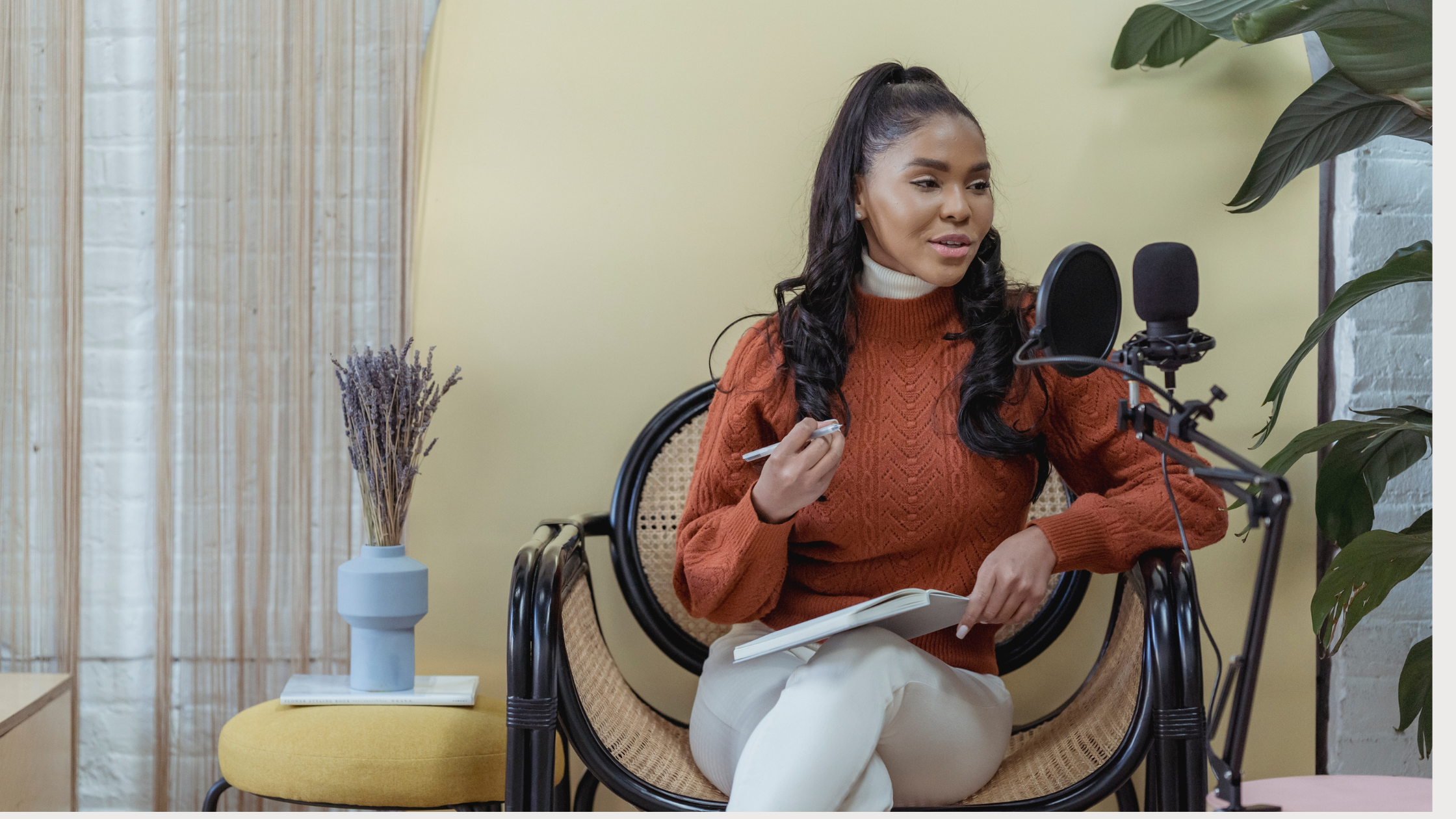
How Brands and Creators Collaborate for Real Impact
Influencer marketing isn’t new. But the way it works today looks nothing like it did five years ago. Once upon a time, brands paid influencers to hold up a product, smile, and post a hashtag.
Today, that same approach feels outdated, even fake.
The digital audience of 2025 is smarter, more skeptical, and more demanding. They can instantly tell when a partnership is purely transactional. What they want is authentic collaboration, stories that feel real, voices they trust, and creators who stand for something more than a paycheck.
According to Forbes, over 70% of consumers say they’re more likely to buy from a brand recommended by a trusted creator than through a traditional ad. And CNBC notes that influencer-driven campaigns are now delivering up to 11x higher ROI than old-school digital advertising.
That tells us something crucial:
The future of influencer marketing isn’t about shouting louder, it’s about building relationships that last.
So how exactly are brands and creators collaborating differently in 2025? And what can entrepreneurs, marketers, and business leaders learn from this evolution?
Let’s explore the new dynamics shaping influencer marketing, and how to use them to grow your brand authentically.
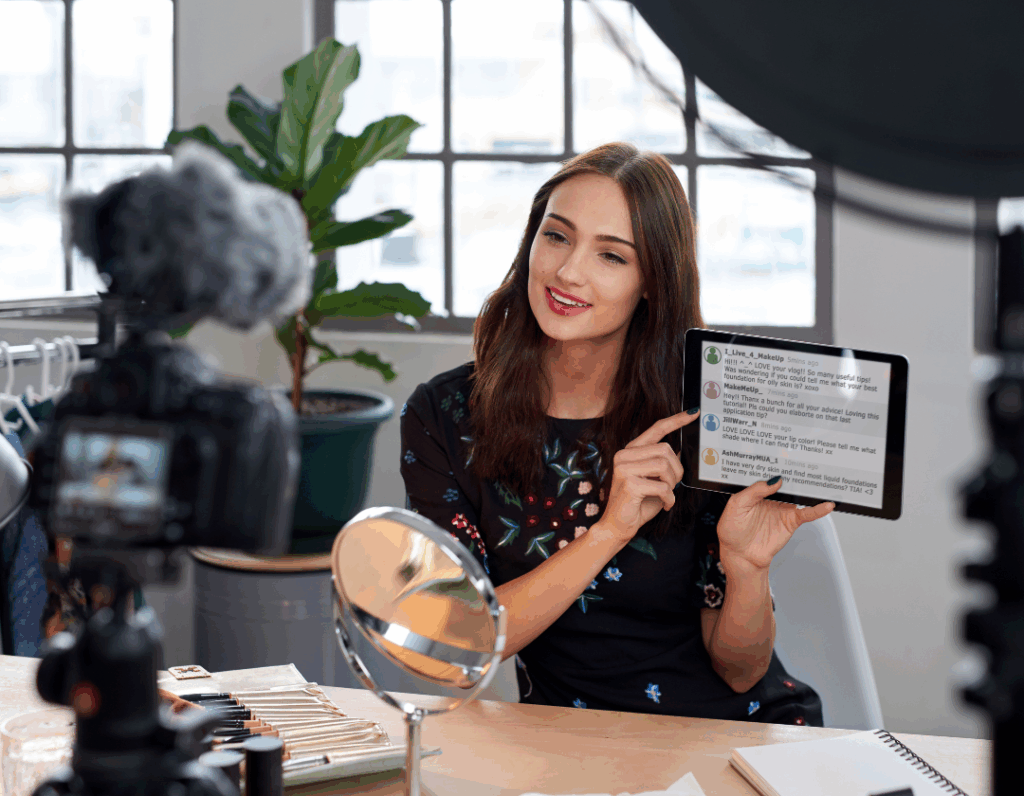
Join thousands of creators scaling smarter with Vonza today!
From Transactions to Transformations: The End of One-Off Campaigns
Remember when influencer marketing was all about quick sponsored posts and discount codes?
Those days are gone, and good riddance.
The transactional model, “You post, we pay”, is being replaced by long-term partnerships that go deeper than exposure.
Brands are realizing that real influence takes time to build and sustain. Instead of paying for one-off posts, companies are now investing in creator partnerships that evolve over time, where the influencer becomes a strategic voice in the brand’s story.
Think of it as the shift from promotion to participation.
For example, Nike’s Creator Collective invites influencers not just to promote sneakers but to co-design products and share input on sustainability campaigns. This isn’t a stunt, it’s strategy. When creators have ownership in the process, the storytelling becomes organic, not forced.
As Yahoo Finance reported,
“The strongest influencer collaborations are rooted in shared purpose, not just shared profit.”
In short: creators aren’t billboards anymore.
They’re brand builders, and brands that treat them that way are the ones winning attention, loyalty, and long-term trust.
The Rise of the Creator-Entrepreneur: Owning the Influence
In 2025, creators are more than content makers, they’re entrepreneurs.
We’ve entered an era where influencers are launching skincare lines, tech products, and even SaaS platforms. They’re monetizing communities, not just content.
This new class of creator-entrepreneurs isn’t waiting for brand deals. They’re forming businesses, developing digital products, and collaborating with brands as equal partners, not hired help.
Take MrBeast, for example. He didn’t stop at YouTube fame, he built Feastables, a multimillion-dollar snack brand. Similarly, creators like Emma Chamberlain and Logan Paul turned their influence into sustainable businesses with products that reflect their identity.
Brands have caught on.
Instead of paying influencers for one-time collaborations, they’re offering equity partnerships, allowing creators to share in the success of the products they promote.
As Forbes points out,
“Equity-based partnerships are redefining influencer marketing, shifting it from a pay-per-post model to a true business collaboration.”
This trend benefits both sides:
- Creators feel more invested and authentic.
- Brands gain passionate partners who have skin in the game.
For entrepreneurs, this is a key takeaway, if you’re building a brand, think partnership over promotion. Choose creators who align with your mission and invite them into your long-term vision.

Data Meets Creativity: How AI is Powering Smart Collaborations
The days of picking influencers based on follower counts are long gone.
Now, smart brands rely on data-driven matching powered by AI and analytics tools that evaluate engagement quality, audience demographics, tone, and even emotional resonance.
Platforms like Traackr, Upfluence, and CreatorIQ use predictive intelligence to determine which influencers will truly move the needle, not just attract likes.
But here’s where the magic happens:
The best collaborations blend data precision with human creativity.
AI might help brands find the right voice, but only humans can create connection.
Only creators can tell stories that make people feel something.
According to CNBC, companies using predictive AI in influencer marketing saw a 37% improvement in conversion rates, but campaigns that included authentic storytelling performed even better.
That’s the key balance:
Let data guide the decision. Let humans drive the story.
As marketing becomes increasingly automated, it’s emotional intelligence, not artificial intelligence, that separates good campaigns from unforgettable ones.

Authenticity Is the New Algorithm
If there’s one word that defines influencer marketing now, it’s authenticity.
Audiences have evolved. They don’t want polished perfection, they want real voices, messy truths, and emotional resonance.
Creators who share failures, behind-the-scenes chaos, and raw opinions are connecting far more deeply than those who sound like scripted brand ambassadors.
This is especially true for Gen Z and Millennials, who value honesty over hype.
A Yahoo Finance survey found that 84% of Gen Z consumers say authenticity is their top reason for following an influencer, outranking humor, aesthetics, and even expertise.
For brands, this means loosening control.
Instead of dictating the script, they must trust creators to tell their stories in their own voice.
That might mean a few imperfect moments, but imperfection is what builds trust.
Because audiences don’t fall in love with flawless ads.
They fall in love with people who believe in what they’re promoting.
Beyond Instagram: The New Platforms of Influence
Instagram and YouTube still matter, but they’re no longer the only game in town.
2025 has seen a shift toward community-driven, interactive, and niche platforms where creators and audiences can connect more meaningfully.
Here’s what’s trending right now:
- TikTok Shop: Blending entertainment with instant purchase power.
- LinkedIn Creator Mode: Where thought leaders and professionals are building personal brands.
- Discord & Slack Communities: Exclusive spaces for deeper connection.
- Substack & Patreon: Giving creators control over their audience and revenue.
Even more exciting? The explosive rise of live commerce.
CNBC reports that the global live shopping market could surpass $130 billion by 2026, driven largely by influencers hosting live streams that feel more like hangouts than sales events.
For brands, this means your influencer strategy must be platform-fluid. Don’t chase trends; build community touchpoints across multiple digital spaces.
The new rule of influence?
Don’t aim for virality. Aim for connection that lasts.
The Human Side of Data
Behind every metric, there’s a heartbeat.
Yes, analytics matter, but storytelling is what sells.
Even the most data-rich campaign fails if it doesn’t feel real.
This is where brands and creators need to rediscover the art of emotional storytelling.
Why did this creator care about your product?
How does your brand’s mission connect to real human needs?
These questions are the difference between a viral campaign and a meaningful one.
For example, when outdoor brand Patagonia collaborates with eco-influencers, the story isn’t about clothes
The Future Trends in Influencer Marketing
The most successful brands in 2025 are no longer talking at creators, they’re building with them.
We’re seeing more companies treat influencers as creative consultants, helping shape not just campaigns but product innovation, customer experience, and brand identity.
For instance, Sephora’s Creator Community now gives influencers access to beta products and invites them to share feedback before launch. This approach transforms creators into collaborators and builds loyalty that money alone can’t buy.
As Forbes summarized it perfectly:
“Influencers are no longer the middlemen between brands and consumers, they are the bridge.”
The lesson here?
Stop chasing influencers who shout.
Partner with those who connect.
Because in the end, real influence isn’t about reach, it’s about resonance.
Conclusion
Influencer marketing isn’t dying. It’s maturing.
The flashy one-off deals are being replaced by deeper, purpose-driven partnerships built on trust, creativity, and mutual respect.
Creators have become business partners.
Brands have become collaborators.
And audiences? They’ve become participants in a shared story.
The most powerful marketing no longer feels like marketing at all.
It feels human.
It feels real.
And in an age where everyone’s selling something, that’s exactly what stands out.
Join thousands of creators scaling smarter with Vonza today!