
The holiday season has a funny way of arriving quietly, and then all at once. One moment you’re setting goals for the final quarter, and the next you’re juggling deadlines, year-end finances, family commitments, travel plans, social obligations, and the unspoken pressure to “finish strong. Then you need is stress management. For creators, entrepreneurs, and business leaders, this time of year can feel less festive and more exhausting.
Seasonal wellness isn’t about perfection. It’s about sustainability, protecting your energy, focus, and health when everything seems to demand more of you. This blog explores practical ways to care for your body and manage stress during the holiday rush, without guilt or unrealistic expectations.

Simplify Your Workflow & Scale With Clarity Using Vonza.
Why Does the Holiday Rush Hit So Hard?
The end of the year combines deadlines, social obligations, travel, financial pressure, and family dynamics into a “perfect storm” of stress. A 2025 holiday stress survey found that 32% of Americans feel worse mentally or emotionally in November and December, with family dynamics (36%), reduced daylight (36%), and financial pressure (29%) identified as the top triggers.
The American Psychiatric Association reports that 28% of Americans feel more stressed this holiday season than the previous year, citing affording gifts, grief, and family tensions as main stressors. For entrepreneurs and creators juggling launches, content, and clients on top of this, the load can quietly tip into burnout.
How Can You Protect Your Mental Health When Life Won’t Slow Down?

You probably can’t cancel year-end responsibilities, but you can create guardrails. Forbes notes that 48% of entrepreneurs are currently experiencing or have recently experienced burnout, driven by chronic overwork and blurred boundaries. Another founder-focused report found 70% of founders say burnout is a real issue in the ecosystem, intensified by financial strain and the difficulty of balancing work, family, and personal life.
Practical ideas:
- Keep one non-negotiable daily ritual (a 10-minute walk, journaling, prayer, stretching, or reading), even when the calendar is packed.
- Use micro-breaks: stand up, breathe deeply, step outside for 5 minutes between calls or tasks; even short pauses significantly reduce overwhelm.
- Schedule recovery like work: block “off” time in your calendar before it gets filled by others.
Happiness experts recommend maintaining your regular routines as much as possible during the holidays, as these familiar anchors create a sense of stability in the chaos.
What Simple Habits Help Manage Stress in Real Time?
You don’t need a full wellness retreat to feel better; small, repeatable actions work surprisingly well. A science-backed guide to holiday stress management highlights that money worries, gift pressure, and missing loved ones are leading stressors, and that stress often compounds across weeks if left unchecked.
Helpful stress management habits:
- Grounding through the senses: CNBC suggests “micro-moments of connection” and sensory grounding, intentionally noticing a smell, taste, or sound, to bring yourself back to the present and cut anxiety spikes.
- Move your body, even gently: light exercise improves sleep, mood, and resilience by releasing endorphins and reducing time spent lying awake in bed.
- Set minimum standards instead of maximum ones: aim for “good enough” in areas like gifting, decorating, or content volume, rather than perfection.
Think of stress as a signal, not a verdict: noticing it early and adjusting plans, expectations, or commitments is a strength, not a failure.
How Can Nutrition Support Your Energy and Mood During the Holidays?
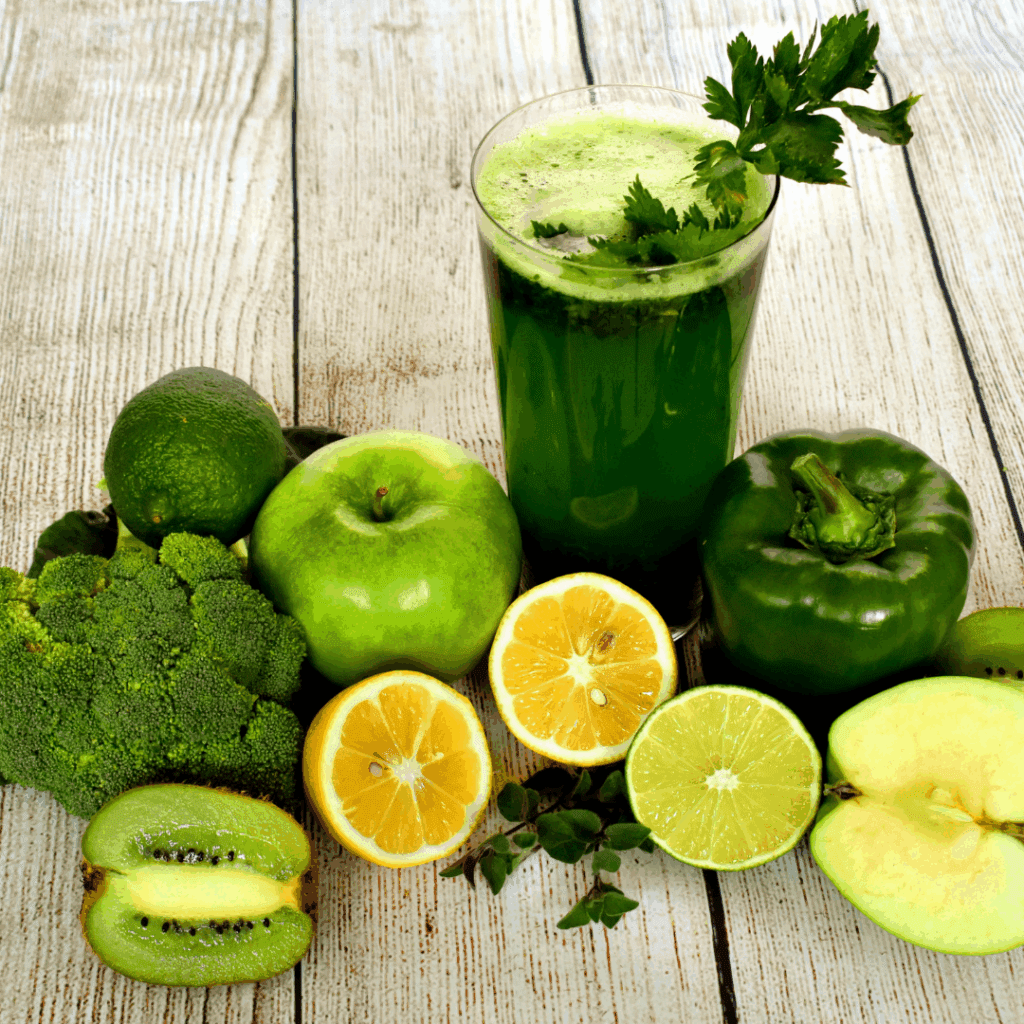
Heavy meals, sugar spikes, late-night eating, and alcohol can make you feel more drained just when you need clarity and stamina. Experts warn that consuming large, heavy meals requires the body to work harder to digest, which can contribute to fatigue and sluggishness, especially when combined with poor sleep.
Evidence-backed tips:
- Prioritize balance, not perfection: mix richer foods with fibre-rich, minimally processed options to slow digestion and keep you full longer.
- Watch late-night eating and drinking: digestion slows during sleep, and overeating or drinking close to bedtime can trigger reflux and night wakings.
- Hydrate before and between meals: drinking water before eating can help you feel satisfied sooner and reduce the urge to overeat.
These are especially valuable for entrepreneurs and professionals with stacked events, travel days, or back-to-back meetings; small nutrition tweaks can noticeably improve focus and mood.
How Do Founders, Creators, and High Achievers Avoid Holiday Burnout?
High performers tend to push harder as the year closes, chasing revenue goals, final campaigns, or launches, yet the data shows this approach has limits. Forbes highlights that chronic stress and burnout lead to reduced productivity, poor decision-making, absenteeism, and health problems. A study of startup founders found 70% report burnout as a major issue, with many underpaying themselves and struggling to balance multiple roles.
Founders and creators can:
- Delegate and simplify: if your business can’t function without you doing everything, growth will stall. Delegation and automation are critical to protecting your energy.
- Use SMART goals for Q4: set realistic, specific goals rather than trying to “fix the whole year” in one month; this prevents overcommitting and disappointment.
- Build peer support: entrepreneur networks and communities reduce isolation and often become spaces to share stress, ideas, and encouragement.
Even high-profile leaders schedule intentional time away, Bill Gates’ “Think Week” is a famous example, demonstrating that stepping back periodically leads to clearer thinking and better decisions.
What Are Practical, Sustainable Self-Care Habits You Can Keep After the Holidays?
The real win is building patterns that outlast December. Mental health organizations report that holiday stress recurs yearly, with money, meals, and family consistently ranking among the top concerns. That means this isn’t a one-time problem; it’s a recurring season you can prepare for.
Sustainable habits:
- Design a seasonal routine: plan lighter weeks after intense projects, schedule downtime following launches or events, and block off personal days well in advance.
- Create personal “wellness baselines”: your minimums for sleep, hydration, movement, and quiet time. You don’t always need optimal conditions; just don’t drop below your baseline for too long.
- Reflect and adjust annually: at the start of each year, ask, “What made last holiday season stressful? What can I do differently next time?” and build those changes into your calendar and budget.
Instead of viewing self-care as something you “earn” after the work is done, treat it as the infrastructure that allows you to keep showing up, for your business, your content, your clients, and your people, without burning out.
Final Thoughts
Seasonal wellness isn’t about slowing ambition; it’s about protecting the foundation that ambition rests on. For creators, entrepreneurs, and business leaders, the holidays test resilience more than productivity. Choosing self-care, stress management, and intentional rest isn’t a weakness; it’s leadership.
As the year closes, the most valuable thing you can carry into the next one isn’t momentum, it’s health. And that’s worth protecting.
Vonza helps you streamline your operations so you spend less time juggling tools and more time protecting your energy.