
If your online business isn’t converting visitors into customers, it’s not because your product isn’t good, it’s because your sales funnel is broken (or missing entirely).
In the digital landscape, where attention spans are shrinking and automation is everywhere, understanding how to design a funnel that actually converts has become a superpower.
According to Forbes, 79% of marketing leads never convert into sales, often because there’s no structured follow-up or nurturing system in place. That’s exactly where a strong, smart sales funnel changes the game.
Whether you’re a coach, digital creator, or eCommerce entrepreneur, this guide will help you rethink how you guide prospects, from first click to final purchase, using a system that works even when you’re asleep.
Start 14-Day Free Trial & Build A Converting Sales Funnel
What Is a Sales Funnel (and Why It Still Matters in 2025)?
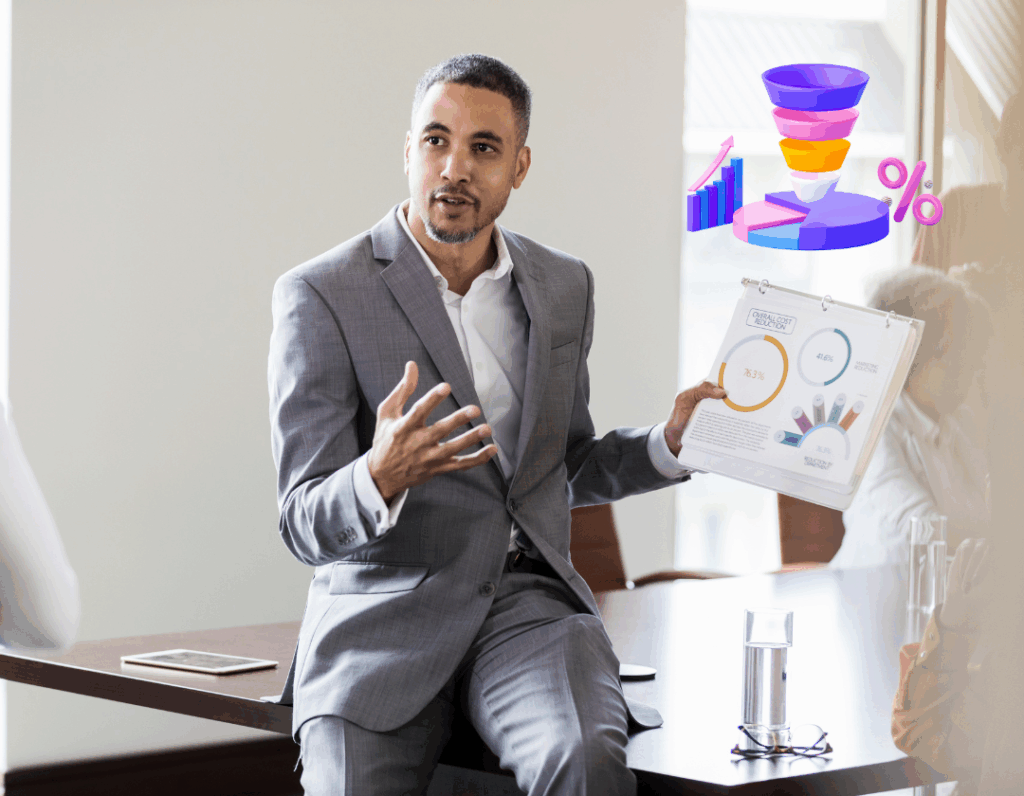
Think of a sales funnel as your customer’s journey. It’s the process that takes someone from discovering your brand to becoming a loyal, paying customer.
Today, sales funnels aren’t just landing pages and email sequences anymore. They’re personalized, data-driven experiences that integrate AI, behavioral analytics, and human connection.
As CNBC reports, small businesses that use structured funnels and automation see a 53% higher conversion rate on average compared to those that rely on manual sales outreach.
A well-built funnel gives you clarity, you’ll know what works, where leads drop off, and how to nurture them with the right message at the right time.
How Buying Behavior Has Evolved in 2025
Your audience doesn’t buy the same way they did even two years ago.
Today’s consumers are:
- More informed: They research across multiple platforms before making a purchase.
- More impatient: They expect instant value and seamless experiences.
- More skeptical: They can spot salesy marketing from a mile away.
In fact, Yahoo Finance highlighted that 70% of buyers prefer self-education before speaking to a salesperson. That means your funnel needs to do the teaching, building trust through content, testimonials, and transparent communication.
Step-by-Step: How to Build a Winning Sales Funnel in 2025
1. Awareness: Get Seen in the Right Places
This is where you attract attention.
Your job is to show up where your ideal customer is spending time, on social media, Google, or niche communities.
Tactics that work in 2025:
- Create short, educational videos on TikTok, Instagram Reels, and YouTube Shorts.
- Publish keyword-rich blog posts optimized for Google Discover.
- Run targeted Facebook and LinkedIn ads with helpful free offers.
NB: A high-value lead magnet, like a free course, checklist, or webinar, still converts best at this stage.
2. Interest: Build Connection and Trust
Once someone knows who you are, nurture that relationship.
Offer useful content, success stories, and personal insights. Use email marketing and retargeting ads to remind them why your brand matters.
With Vonza, for example, you can easily set up automated email campaigns that send the right message based on what your leads click or download.
According to HubSpot, personalized emails deliver 6x higher transaction rates than generic broadcasts.
3. Decision: Make It Easy to Say Yes
This is where your funnel either converts, or collapses.
Optimize this stage by:
- Adding strong testimonials or reviews.
- Offering limited-time bonuses or guarantees.
- Reducing checkout friction, too many clicks can kill sales.
Use tools like Vonza’s funnel builder to integrate checkout pages, upsells, and payment processors seamlessly in one place, no coding required.
4. Action: The Conversion
When your lead finally becomes a customer, the journey doesn’t stop, it evolves.
Smart entrepreneurs use post-purchase sequences to turn new buyers into repeat customers or even brand advocates.
Examples include:
- Sending a thank-you email with a quick onboarding video.
- Offering a loyalty discount for their next purchase.
- Encouraging reviews or referrals for social proof.
Platforms like Vonza make this easy, letting you automate thank-you flows, create membership access, and track every conversion from one dashboard.
Tools and Platforms to Build a Modern Funnel
Simplicity wins. You don’t need 10 different tools, you need one powerful platform that brings everything together.
That’s where Vonza’s All-in-One Platform stands out. You can:
- Build high-converting landing pages.
- Create email automation workflows for every stage of your funnel.
- Sell digital products, courses, memberships, or physical goods, all in one place.
- Track analytics and customer behavior in real time.
As Forbes points out, consolidation is the future of digital business, tools that do everything under one roof reduce operational costs and improve efficiency.
Common Mistakes to Avoid When Building Funnels
Even the best entrepreneurs make these funnel mistakes:
- Overcomplicating the process, too many steps lead to drop-offs.
- Ignoring follow-up emails: 80% of sales require at least five follow-ups (Salesforce).
- Not segmenting leads, sending everyone the same message reduces trust.
- Lack of testing, failing to A/B test your pages means you’ll never know what works.
Tip: Focus on clarity, not complexity. The most profitable funnels are often the simplest.
What Winning Funnels Look Like in 2025
Big brands and solo creators alike are pivoting toward authenticity.
For instance, Shopify revealed that top-performing stores use transparent storytelling and personalized offers rather than pushy sales copy.
Meanwhile, content-first funnels, where education leads before sales, have seen a 32% higher lifetime customer value in 2025 compared to direct-sale ads.
The trend is clear: teach, connect, then sell.
Final Thoughts
In 2025, every click, scroll, and open matters. Building a sales funnel that combines automation, empathy, and personalization is no longer optional, it’s survival.
And the good news? You don’t have to do it alone.
With Vonza, you can create, automate, and scale your entire business funnel from one powerful dashboard, from lead capture to conversion.