
Over the past few years, the meaning of “work” has shifted more radically than in any previous generation. The rise of remote and hybrid models didn’t just change where people work, it redefined how organizations communicate, collaborate, and compete.
For leaders, whether running a high-growth startup, a multinational enterprise, or a government institution, the challenge isn’t just operational. It’s deeply human:
How do we keep our people connected, aligned, and inspired when they’re miles apart?
This is where SaaS (Software as a Service) has become more than a technical convenience. It’s now a strategic cornerstone, the digital infrastructure that powers connection, accountability, and innovation.
In 2025 and beyond, SaaS solutions are not simply tools; they’re leadership frameworks. They enable decision-makers to move faster, respond smarter, and empower their teams to thrive in an economy where agility is the ultimate advantage.
This guide explores five transformational ways SaaS is redefining remote collaboration, through digital infrastructure, smarter communication, integration, automation, and culture, and what that means for forward-thinking leaders ready to scale with intention.
Building the Digital Office: SaaS as the Infrastructure of Collaboration

Once upon a time, the “office” was physical, a space where teams gathered, creativity sparked, and culture lived. Today, that physical space has evolved into something far more dynamic: a digital office powered by SaaS ecosystems.
Modern organizations no longer rely on a single platform but on interconnected SaaS environments that serve as digital workspaces. Tools like Microsoft 365, Slack, Asana, Notion, and Vonza have become the digital equivalent of corporate headquarters, not just hosting work, but defining how it flows.
From Tools to Ecosystems
In the early days, SaaS meant isolated apps solving specific problems, one for communication, another for storage, another for task management. But forward-thinking leaders now understand that the power of SaaS lies in integration, building connected systems where data, communication, and performance metrics live in harmony.
A seamlessly integrated SaaS ecosystem:
- Provides one source of truth for all teams.
- Reduces data duplication and inefficiency.
- Enables real-time visibility into organizational performance.
For entrepreneurs, this means scalability without chaos. For public administrators, it means streamlined service delivery and transparent governance.
Why Digital Infrastructure Is a Leadership Responsibility
A digital ecosystem is not IT’s responsibility alone, it’s a leadership priority.
Just as past leaders invested in office buildings, modern leaders must now invest in digital infrastructure that enables their people to connect, collaborate, and create effectively.
Implementation Insight
Leaders should begin by auditing their digital stack:
- What platforms overlap in function?
- Where is data duplicated or siloed?
- How intuitive are your systems for the end user?
A well-designed SaaS environment should feel invisible, enabling focus, not frustration.
Think of it as designing your company’s “digital architecture.” The stronger the foundation, the higher you can build.
Rethinking Communication: Turning Digital Noise Into Strategic Clarity

If collaboration is the heartbeat of remote work, communication is its pulse, and many organizations are experiencing digital arrhythmia.
We live in an era of hypoconnectivity, Slack messages, Zoom meetings, emails, project pings. Yet, ironically, teams have never been more overwhelmed or misunderstood.
The truth is, communication technology doesn’t guarantee connection. What matters is how it’s used.
The Communication Paradox
The proliferation of tools has created what Deloitte calls “collaboration fatigue”, constant interruptions that fragment attention and drain productivity.
SaaS tools, however, can solve this problem when used intentionally.
Platforms like Zoom, Loom, Twist, and Vonza Teams now enable a strategic balance between synchronous and asynchronous communication, allowing teams to maintain both connection and focus.
Designing a Communication Cadence
High-performing teams treat communication like a system, not a stream of interruptions. They use structured rhythms:
- Synchronous (Real-Time): Weekly leadership calls, creative brainstorms, and team standups.
- Asynchronous (On Your Time): Recorded updates, task notes, and progress summaries that allow deep work.
This balance ensures that team members across time zones can contribute thoughtfully, not reactively. Deloitte reports that organizations adopting asynchronous-first communication saw 25% faster decision-making and 30% less employee burnout than those relying solely on real-time collaboration.
Leadership Perspective
For leaders, this means shifting from “always available” to “always aligned.”
Encourage your team to document decisions transparently within SaaS platforms. Replace redundant meetings with clear digital records and purposeful check-ins. Because in the modern workplace, clarity is the new speed.
Breaking Down Silos: SaaS as the Great Organizational Equalizer
If disconnection is the disease of remote work, silos are its chronic symptom. Marketing doesn’t see what product is building, operations don’t know what finance is tracking, and leaders are forced to make decisions with partial information. SaaS, when properly integrated, dissolves those silos, creating a transparent, real-time view of organizational health.
The Silo Problem in Remote Organizations
Traditional systems trap data within departments. Remote teams compound that challenge because physical visibility is gone. The result? Delays, duplication, and a lack of accountability.
How SaaS Creates Transparency
Modern SaaS ecosystems connect all facets of the organization:
- Unified dashboards: Tools like ClickUp and Monday.com visualize cross-functional performance.
- Integrated CRMs: Solutions such as HubSpot, Salesforce, or Vonza CRM sync marketing, sales, and customer success.
- Centralized analytics: Leaders get an accurate, real-time pulse on operations.
This transparency builds trust, employees see how their work contributes to collective goals, and leaders gain confidence in data-driven decision-making. A Forbes analysis found that businesses prioritizing SaaS integration experience 50% faster project delivery and significantly improved cross-departmental collaboration.
Leadership Action Plan
- Foster an “open data” mindset, default to visibility, not secrecy.
- Integrate dashboards for real-time performance tracking.
- Celebrate transparency as a cultural strength.
SaaS isn’t just technology; it’s a philosophy of openness, one that modern leaders must embrace to drive both accountability and innovation.
Automation and Integration: Turning Complexity Into Competitive Advantage

In fast-scaling businesses and public agencies alike, complexity is inevitable. But chaos is optional. Automation is no longer about replacing human effort, it’s about amplifying human intelligence.
Beyond Efficiency: The Strategy of Automation
SaaS solutions like Zapier, Vonza, and ClickUp Automations are transforming how organizations manage workflows. They connect apps, trigger actions, and reduce repetitive manual tasks, freeing people to focus on strategic work. Automation allows systems to handle routine tasks, while leaders focus on creative, high-value decisions.
For example:
- A customer signs a contract → CRM updates automatically → onboarding checklist starts in Asana → invoice triggers in QuickBooks → and notification appears in Slack.
No human handoffs, no missteps, just fluid operations.
Strategic Payoffs
- Operational scalability: handle growth without over-hiring.
- Decision acceleration: insights available in real time.
- Employee satisfaction: less burnout, more focus on innovation.
According to McKinsey Global Survey 2025, companies leveraging SaaS-driven automation experience 35% higher revenue per employee and 50% faster time-to-market for new initiatives.
For Leaders
View automation as an enabler of thinking time, not as a cost-saving tool. Encourage departments to identify repetitive pain points and automate them. In essence, automation is not about removing the human, it’s about removing the friction that limits human potential.
Strengthening Digital Culture: Humanizing SaaS Collaboration
Technology without humanity creates burnout, not brilliance. As organizations grow more digital, leaders must design culture with the same precision they apply to technology.
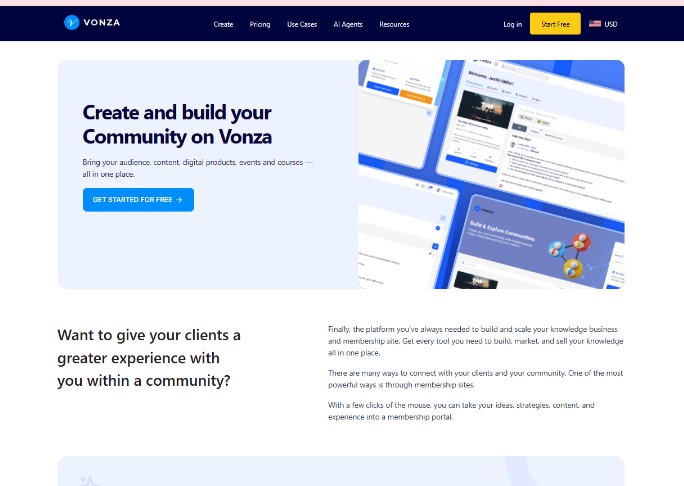
SaaS tools like CultureAmp, Donut, Lattice, and Vonza Communities are now enabling leaders to build belonging in the cloud.
Why Culture Still Wins
Culture has always been the invisible force that determines how people show up, whether in offices or on Zoom screens. Remote environments don’t weaken culture; poor leadership does. SaaS-driven engagement tools allow organizations to:
- Recognize achievements publicly.
- Conduct pulse surveys for real-time sentiment analysis.
- Facilitate mentorship and peer bonding digitally.
A Harvard Business Review (2024) study found that organizations investing in digital culture initiatives saw 40% lower turnover and 25% higher engagement among remote teams.
Leadership Application
- Schedule virtual rituals (weekly reflections, open Q&As, peer spotlights).
- Use engagement analytics to listen deeply to team morale.
- Reinforce purpose at every digital interaction.
Because no software can replace culture, but with intention, SaaS can magnify its reach.
Conclusion
Let’s pause for a moment and look at the broader picture.
SaaS has evolved far beyond software, it’s now a strategic enabler of modern leadership.
In the digital economy, success isn’t determined by who has the most people or capital, but by who can connect, communicate, and coordinate most effectively, across teams, time zones, and tools.
For entrepreneurs, SaaS offers the scalability to grow fast without structural chaos.
For business owners, it provides the integration needed to turn complex operations into smooth, measurable systems.
And for government officials, SaaS represents the transparency, agility, and citizen-centric approach that modern governance demands.
The future of collaboration is not defined by technology alone, it’s defined by how leaders use it.
SaaS gives leaders the power to unify fragmented teams, automate redundant tasks, and create cultures that are not just productive, but purposeful.
The essence of modern leadership lies in this truth:
“Integration isn’t about connecting software, it’s about connecting people, ideas, and purpose.”
Organizations that understand this will be the ones that scale sustainably, innovate continuously, and lead compassionately in the years to come.
So, as you reflect on your own organization, ask yourself,
Are your digital tools serving your strategy, or is your strategy serving your tools?
The answer will define your next decade of growth.
Build a Connected, Scalable Future with Vonza
If your organization is ready to move from fragmented systems to a truly connected ecosystem, the time to act is now.
Vonza is more than a SaaS platform, it’s your partner in building an integrated, automated, and human-centered digital workplace.
From managing clients and sales to launching online courses, hosting communities, and automating workflows, Vonza unifies everything under one seamless platform.
Start Your 14 Day Free Trial on Vonza Today and experience how effortless true collaboration can be.
Frequently Asked Questions (FAQs)
1. What makes SaaS essential for remote team collaboration?
SaaS solutions provide centralized platforms where all work, from communication to project tracking, happens in one ecosystem. This reduces data fragmentation, enhances visibility, and allows distributed teams to collaborate efficiently and transparently.
2. How do SaaS integrations impact scalability and productivity?
Integrated SaaS environments connect different business functions, sales, marketing, HR, and finance, ensuring that data flows automatically between systems. This eliminates repetitive tasks and enables faster decision-making, resulting in significant productivity gains.
3. What are common mistakes leaders make with SaaS adoption?
Many organizations adopt multiple unconnected tools, leading to what’s known as “SaaS sprawl.” The key mistake is focusing on tools instead of integration strategy. Leaders should aim for unified systems that talk to each other, not isolated apps.
4. How can government and public sector institutions benefit from SaaS ecosystems?
Governments can leverage SaaS to streamline processes like citizen engagement, documentation, procurement, and service delivery. Cloud-based systems enhance transparency, reduce operational waste, and improve interdepartmental collaboration in real time.
5. How can small businesses start implementing SaaS effectively?
Start by identifying operational pain points, communication gaps, manual tasks, or workflow bottlenecks. Choose scalable SaaS platforms (like Vonza) that cover multiple functions in one place. Begin small, measure results, and expand strategically as you grow.