
If you’ve spent any time online lately, you’ve probably noticed something: the internet no longer belongs to big brands, it belongs to creators. From YouTube educators to TikTok coaches, we’re living in an age where individual creativity has become a business model.
According to Goldman Sachs report, the global creator economy has surpassed $250 billion and is projected to double to $480 billion by 2027. That’s not hype, that’s a signal. Creators are no longer side hustlers; they’re small business owners, brand builders, and community leaders.
Yet, as we move into 2025, the rules are changing again. Monetization is no longer about follower counts or one-time sponsorships, it’s about creating owned, recurring, and diversified income streams.

“The creators who will win in 2025 are those who build systems, not just content,” notes Forbes contributor Rebecca Bellan in her report on the evolution of creator-led businesses.
So what exactly should creators know about monetizing their content in 2025? Let’s explore the trends, tools, and strategies shaping this next era.
Build Your Creator Business Today With The Right Tool
From Followers to Founders: The New Face of the Creator Economy

Remember when being a “content creator” meant uploading videos for exposure and hoping a brand noticed you? That era is officially over.
The modern creator doesn’t wait for sponsorships, they build digital ecosystems around their expertise. Whether it’s courses, newsletters, or memberships, the smartest creators have stopped relying on social media platforms as their sole source of income.
Back in 2018, Patreon and Substack sparked the shift toward creator independence. By 2020, the pandemic accelerated it, pushing millions of creators to find direct ways to connect with their audiences.
In 2025, that independence has evolved into full-scale entrepreneurship. Creators aren’t just influencers anymore, they’re founders. They have teams, business strategies, and long-term vision. They’re running operations that look a lot more like startups than side hustles.
The Monetization Models That Matter in 2025

If 2020 was the year creators learned how to sell, 2025 is the year they’re learning how to scale. Monetization isn’t one-size-fits-all anymore. It’s a portfolio, a mix of income streams that build sustainability.
Let’s look at what’s driving revenue for creators this year.
1. Subscription-Based Memberships: Building Communities, Not Just Audiences
Gone are the days when creators posted for free and hoped the algorithm was kind. In 2025, audiences are happy to pay for meaningful, consistent value, not just content, but connection.
Membership platforms like Vonza, Patreon, and Substack are booming. They give creators the tools to turn their biggest fans into paying members. Instead of chasing reach, creators focus on nurturing loyalty.
Here’s the mindset shift: people no longer want to consume content, they want to belong somewhere.
For example, author and YouTuber Ali Abdaal built a thriving membership business around productivity and learning. His members don’t just buy access, they buy insight and interaction. That’s the power of community monetization.
2. Digital Products and Knowledge Commerce: Selling What You Know
If there’s one area exploding in 2025, it’s knowledge monetization.
From paid templates to bite-sized online courses, creators are turning their expertise into digital assets that sell 24/7.
Why it works: the barrier to entry is lower than ever. Platforms like Vonza and Kajabi let you create, host, and sell your own products without coding or juggling five tools.
Whether you’re a fitness coach, designer, or career strategist, your knowledge is your currency. And the smartest creators are packaging that knowledge into scalable digital products.
As CNBC reported earlier this year, “The creators who treat their expertise like intellectual property, not just social content, are the ones building real wealth.”
3. Affiliate Marketing and Brand Partnerships 2.0
Traditional influencer marketing is evolving into something deeper. Creators in 2025 aren’t just promoting brands, they’re partnering with them.
Instead of flat sponsorship deals, creators are negotiating affiliate structures, profit shares, and even equity. The logic is simple: if you help build a brand, you should share in its success.
This model rewards authenticity. As Forbes notes, “Creators are realizing that trust, not reach, is the most valuable currency in the digital age.” Audiences can tell when a recommendation is genuine, and they reward that honesty with loyalty and conversion.
The takeaway? Align with brands that share your values. Monetization is no longer about exposure, it’s about alignment and ownership.
Own Your Platform Or Lose Your Power
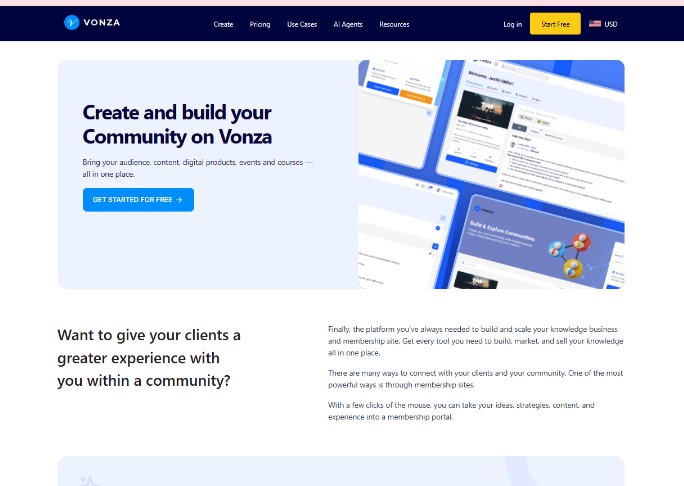
If 2024 taught creators anything, it’s this: algorithms are unpredictable, but ownership is stable.
Depending solely on platforms like YouTube, TikTok, or Instagram is risky. The rules change overnight, and reach can drop without warning.
In 2025, the top-earning creators have one thing in common: they own their audience.
That means hosting their own websites, email lists, and communities on platforms like Vonza, Podia, or Circle.
As Yahoo Finance recently highlighted, “Creator-owned ecosystems are becoming the foundation of long-term monetization, giving individuals total control over their brand, data, and revenue.”
When you own your audience, no algorithm can silence your business.
Tech That’s Transforming Creator Income

The tools creators use are changing as fast as the trends they follow. And in 2025, technology isn’t just supporting monetization, it’s redefining it.
1. AI as Your Creative Co-Pilot
AI has moved from being a buzzword to being a business partner. Tools like ChatGPT, Descript, and Midjourney now help creators plan, script, edit, and even personalize fan experiences.
But here’s the key: AI isn’t replacing the creator, it’s amplifying the creator.
The best creators use AI to save time on repetitive work so they can focus on what humans do best, storytelling, empathy, and creativity.
In short: AI automates. Creators humanize.
2. Web3, Blockchain, and Digital Ownership
Web3 might have cooled off since the NFT craze, but its underlying promise, ownership and transparency, is still shaping creator economics.
Smart contracts and token-based memberships are making it easier for creators to track revenue and protect intellectual property. The tools are still emerging, but the philosophy remains powerful: creators should own not just their content, but also their data and payouts.
3. SaaS Platforms: The Hidden Backbone of Monetization
Behind every successful creator in 2025, there’s a software system keeping the gears turning.
Platforms like Vonza integrate course creation, payments, community, and analytics, eliminating the tech overwhelm that comes with juggling multiple tools.
In short, SaaS platforms let creators do what they love, create, while the business runs itself.
The Business Mindset: Creators as CEOs
The creator who treats their work like a business will always outperform the one who treats it like a passion project.
2025’s most successful creators aren’t just posting, they’re planning, analyzing, and optimizing. They use analytics dashboards like financial reports, tracking which content drives conversions and which drives conversation, think in terms of systems, not spontaneity.
Creators don’t chase virality, they cultivate value. And perhaps most importantly, they diversify. The creator who relies on one revenue stream is a risk-taker; the creator with five is a strategist.
Conclusion
The story of the creator economy is still being written, but one thing is clear: 2025 is the year of ownership, autonomy, and systems.
Creators who understand how to build diversified, automated income streams are no longer at the mercy of trends or algorithms. They’re building brands that endure.
Platforms like Vonza are at the heart of this transformation, helping creators, educators, and entrepreneurs turn creative energy into scalable digital businesses.
Because in 2025, creators aren’t just posting content ,they’re running companies.
Build Your Creator Business Today With The Right Tool
FAQs
1. What’s the most profitable way to monetize content in 2025?
The most profitable creators in 2025 diversify income streams. They combine digital products, online courses, paid memberships, and affiliate partnerships. Subscription models and education-based content offer recurring revenue and higher lifetime customer value.
2. Which platforms help creators monetize their work most effectively?
Platforms like Vonza, Kajabi, and Substack stand out for their all-in-one capabilities. They let creators host websites, build communities, manage payments, and automate marketing, all under one dashboard. That integration saves time and maximizes income potential.
3. How does AI affect creator monetization in 2025?
AI is now a creator’s co-pilot. It helps streamline idea generation, content editing, analytics, and audience personalization. The best creators use AI to reduce manual work and focus on high-impact creative and business decisions.
4. How can creators protect their income from algorithm changes?
The smartest move is to own your audience. Build your own email list, website, and community outside of social platforms. Use SaaS tools to host and manage your ecosystem so your business remains stable even when algorithms shift.
5. Is it too late to start monetizing content in 2025?
Not at all. The creator economy is still expanding, with new niches and technologies opening opportunities every day. What matters most isn’t timing, it’s building value, consistency, and ownership into your strategy from day one.