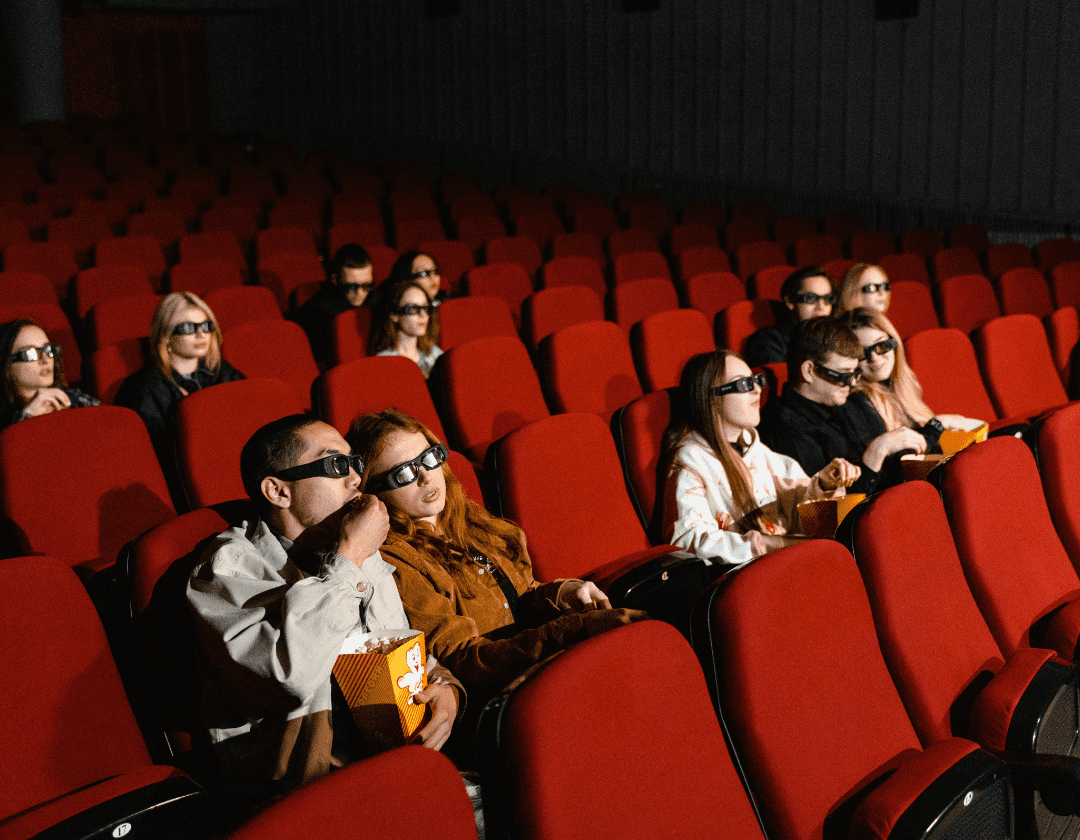
The holidays are supposed to be joyful. Yet for many professionals, entrepreneurs, and leaders, they quietly become one of the most stressful times of the year.
Year-end deadlines collide with family obligations. Notifications don’t slow down. Even “time off” can feel mentally crowded. That’s why relaxation during the holidays doesn’t come from doing nothing; it comes from doing the right things.
Low-pressure, calming game activities are emerging as one of the most effective ways to help busy minds unplug, reconnect, and reset. Not competitive. Not overstimulating. Just intentionally relaxing.
This blog explores 7 stress-free holiday game activities designed to restore energy, encourage connection, and help professionals truly enjoy the season.
Simplify Your Business, Protect Your Energy & Grow with Vonza
Why Do You Need Stress‑Free Holiday Fun (Not Just More Plans)?
The holidays are supposed to feel magical, but for many working professionals and entrepreneurs they feel more like a high‑pressure project: deadlines, travel, family expectations, money decisions, and a calendar that never seems to stop. Forbes notes that many people struggle to balance work and personal commitments during this season and recommends intentional strategies to avoid burnout. CNBC’s happiness experts add that the holidays can be anxiety‑inducing, and that small, intentional “micro‑moments of connection” are key to lowering stress.

That’s where low‑stakes, calming games come in. Instead of adding more performance or competition to your life, these activities are about slowing down, laughing, and truly relaxing with people you care about.
Gratitude Scavenger Hunt Game
Gratitude is one of the most research‑backed ways to reduce stress and improve mood. Therapy‑based holiday guides suggest gratitude walks, collages, and games as simple tools to reframe the season from “too much” to “enough.”
How to play:
- Create a simple list of “things to notice” around your home or neighbourhood: something cozy, something that smells good, something that makes you smile, something that reminds you of a win this year.
- Go alone, with family, or even colleagues at an office event.
- Take pictures or jot notes, then regroup and share one or two things from your list.
Why it works:
- Shifts focus away from to‑dos and toward what’s working.
- Works for introverts and extroverts, low pressure, no performance.
- Can be done during a walk, which also supports stress relief and physical health.
No‑Pressure Trivia Night Game
Play is scientifically linked to reduced stress and better social connections, even for adults. CNBC notes that light, creative activities and moments of fun can ease tension and build resilience, especially during the holidays.
How to play:
- Make trivia categories around light topics: holiday movies, general knowledge, “this or that” opinion questions, or even company history if you’re doing it with your team.
- Keep scoring optional or playful, maybe each correct answer earns a silly dare, compliment, or story prompt instead of “points.”
- Keep rounds short (10–15 questions) to avoid fatigue.
Why it works:
- Gives everyone something shared to focus on that is not work, politics, or family drama.
- Encourages laughter and nostalgia without requiring deep vulnerability.
- Easy to adapt to Zoom or hybrid gatherings, which is helpful for distributed teams.
Mindful Drawing or Doodle Session Game
Creative activities are associated with improved problem‑solving and reduced stress, and can even build mental resilience, according to psychological research highlighted by CNBC. You don’t need to be an artist; the point is the process, not the outcome.
How to play:
- Put out paper, markers, or tablets and choose a simple prompt: “draw your ideal holiday,” “draw what relaxation looks like,” or “draw your year as a landscape.”
- Play calming music.
- Give 10–15 minutes for drawing in silence, then (optionally) share and tell the story behind your drawing.
Why it works:
- Acts like a guided mindfulness exercise; your attention is gently anchored to shapes and colors instead of worries.
- Requires no special skill, which lowers performance anxiety.
- Translates well to solo relaxation, couples, families, or small work gatherings.
Cozy Story‑Circle Game
Happiness experts suggest that short, meaningful social interactions, “micro‑moments of connection,” help reduce stress and increase feelings of belonging. A simple story game can foster that connection without forcing anyone to overshare.
How to play:
- Sit in a circle (or on a video call) and choose a light prompt:
- “Share one small win from this year.”
- “What was an unexpectedly funny or awkward moment this season?”
- “What’s one thing you’re quietly proud of from 2025?”
- Each person speaks for 1–2 minutes while others simply listen.
Why it works:
- Builds empathy and understanding in a low‑pressure, time‑bounded way.
- Offers a way to celebrate wins and process the year with others.
- Supports emotional well-being by giving people space to feel seen and heard

Movement Games
Health and self‑care organizations consistently highlight physical activity as one of the most effective ways to relieve stress and boost mood. You don’t need an intense workout; light, playful movement is enough to ease tension.
Movement‑based game ideas:
- Holiday Light Walk Bingo:
Make a bingo card with things like “inflatable decoration,” “blue lights,” “snowman,” “star,” and “wreath on a door.” Take a walk and mark off what you see. - Living Room Dance Roulette:
Create a shared playlist where everyone adds 1–2 songs. Hit shuffle and dance to the first 3–5 tracks, even if it’s silly. - Slow Stretch Challenge:
Set a timer for 5 minutes and see who can hold the gentlest, most relaxing stretch or yoga pose without breaking into something competitive.
Why it works:
- Releases endorphins that improve mood and reduce physical signs of stress.
- Breaks up long periods of sitting or scrolling, which can worsen stress and fatigue.
- Feels like play instead of “exercise,” lowering resistance for busy or tired people.
Tech‑Free Card or Board Game Hour
Constant notifications and screen time contribute to mental fatigue and anxiety, especially when work and personal messages mix. Many health and wellness experts recommend breaks from technology and clear boundaries around screen use to support stress management and better sleep.
How to play:
- Choose a simple, low‑conflict game: Uno, Dominoes, cooperative board games, simple card games, or even puzzles.
- Put phones in another room or on “Do Not Disturb” for the duration.
- Set a time boundary (e.g., 45–60 minutes), so people know when they’ll be “back online.”
Why it works:
- Gives your brain a genuine break from digital overload.
- Encourages natural conversation and laughter, without doomscrolling.
- Rebuilds in‑person connection that often gets lost in busy, screen‑heavy weeks.

Solo Reset Game
Founders, executives, and creators often feel responsible for everyone else’s experience during the holidays. Yet Forbes and other experts stress that setting boundaries, saying no, and scheduling personal downtime are critical to preventing burnout.
A solo “reset game” gives you a structured way to prioritize yourself for 10–20 minutes without feeling guilty.
Solo reset game idea: “3‑Card Self‑Care Draw”
- Write 12–15 simple self‑care actions on slips of paper or cards (e.g., “5‑minute breathing,” “stretch and drink water,” “step outside and notice 5 things,” “journal 1 page,” “read 5 pages of a book”).
- When you feel overwhelmed, draw one at random and do it fully. If it doesn’t fit the moment (e.g., you’re in a meeting), draw another.
- Treat it like a non‑negotiable micro‑mission.
Why it works:
- Removes decision fatigue, your next self‑care action is already “chosen.”
- Encourages short, realistic breaks rather than waiting for a full day off.
- Reinforces that your well-being matters, not just your output.
How Can You Make Holiday Games Truly Stress‑Free Instead of One More Obligation?
The point of these activities isn’t to create perfect memories or Instagram‑worthy moments. It’s to give your nervous system, your brain, and your relationships a softer place to land in a season that tends to pull you in a thousand directions. Experts across Forbes, CNBC, and wellness organizations emphasize the same themes: protect your boundaries, prioritize small moments of joy and connection, and choose commitments that nourish you instead of draining you.
Conclusion
As a creator, entrepreneur, or busy professional, you don’t need a completely empty calendar to feel better, you need intentional breaks that let you return to work and life clearer, calmer, and more present. Pick one or two of these games that feel light and doable, and let them be your simple ritual for a truly more restful, joy‑filled holiday season.
Simplify Your Business, Protect Your Energy & Grow with Vonza